robinson200441's pick · Updated August 2026
The 48 Laws of Power
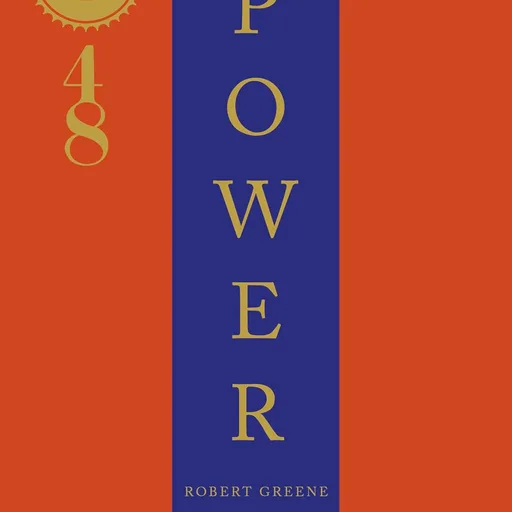

The 48 Laws of Power is for readers who want a direct, practical lens on influence, status, and social strategy rather than a soft self-help approach. It may appeal to people who study business, politics, negotiation, or workplace dynamics, and to readers who are curious about how power is described and used across different settings. If someone wants a book that gets to its point quickly and does not avoid hard topics, this is the kind of title that tends to earn attention.
What makes it worth considering is the way it frames power as something to observe, not pretend away. The book is built around short laws and historical examples, so it can be useful for readers who prefer structured ideas they can revisit one at a time. That format also makes it easier to read in pieces, which helps if the goal is reflection rather than a straight-through cover-to-cover read. For someone thinking about persuasion, boundaries, or office politics, it may offer a vocabulary for situations that are already familiar.
The main thing to verify is whether the reader wants insight, caution, or a set of tactics. Those are not the same thing, and this book can be read as any of them depending on the person. Some readers may find its tone blunt or morally uneasy, especially if they want advice that is more collaborative or values-driven. Others may want exactly that bluntness. It is worth checking your own tolerance for a book that treats power as a recurring reality instead of a problem to be ignored.
The evidence posture here is simple: this is a recommendation based on the book's published premise and format, not on a claim about personal use or measured outcomes. The value depends on what the reader is looking for in a book about influence. A title like this should be judged less by whether it sounds agreeable and more by whether the framework is useful, memorable, and clear enough to revisit later.
In the end, this seems best suited to readers who want a compact, provocative guide to power and are willing to think critically about it. It is probably not the right choice for someone who wants gentle encouragement or a purely ethical leadership book. For the right reader, though, it can be a useful book to read slowly, question as you go, and keep around as a reference point when people and incentives start to matter.
Amazon product links on this guide are not currently affiliate links. Neither robinson200441 nor Buyer Field Guide earns an affiliate commission from them.
See current price